How to start a clothing brand in Nigeria (without waiting until you're rich)
Launch your clothing brand in Nigeria with practical steps, from picking a niche to selling online. Learn how to start small, register your business, and price for profit.
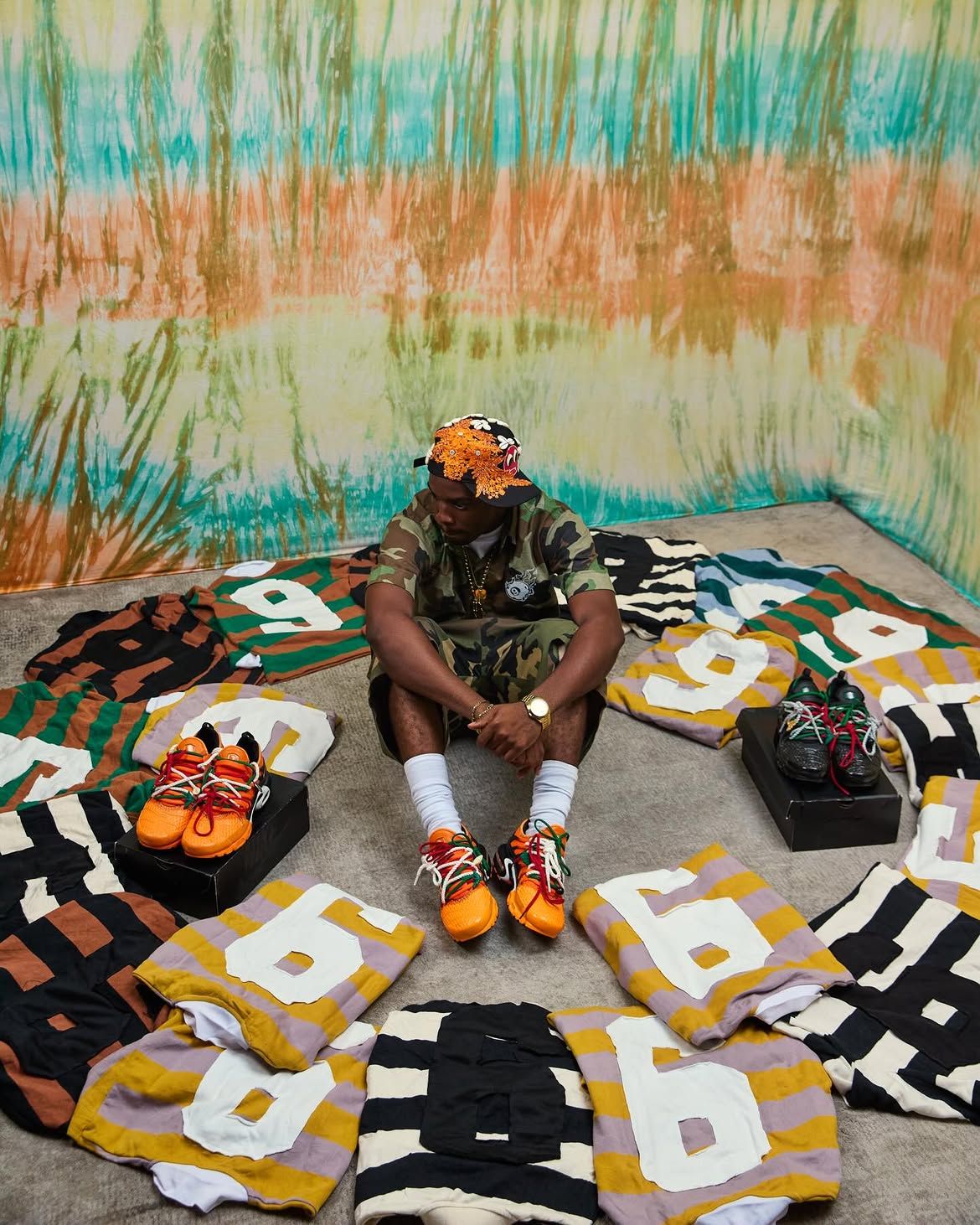
Somebody in Lagos is about to drop a six-piece collection from their bedroom, take the orders in their DMs, and sell out by Sunday. That is the whole business, and it works.
Nigerian fashion isn't a side hobby anymore. Menswear alone did ₦237.2 billion in sales in 2025, up 26% on the year, and the wider apparel market is heading for around $13.2 billion by 2029. Most of it isn't luxury. It is everyday clothing bought by a young country that cares about what it wears and who made it. The opening is real. What stops people usually isn't talent, it is the setup. Here is the whole thing, in order.
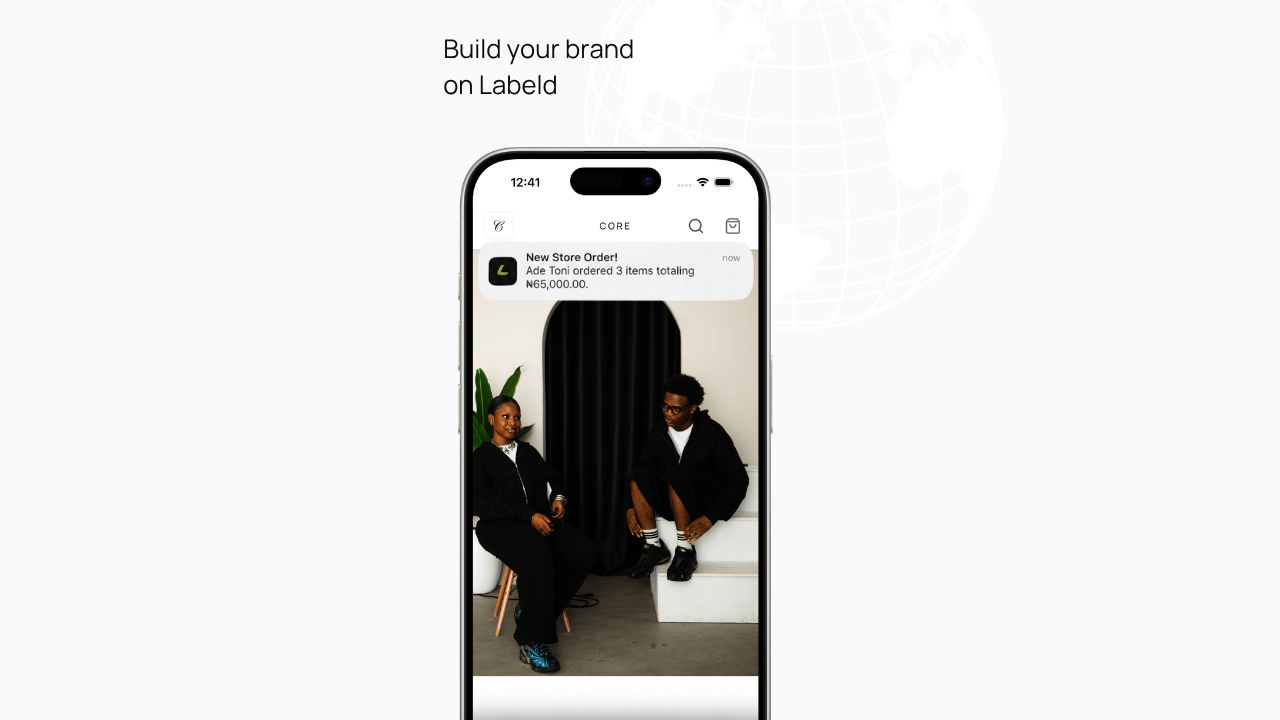
Build the brand. Let Labeld Studio run it: storefront, drops, orders, and events in one place. Start for free.
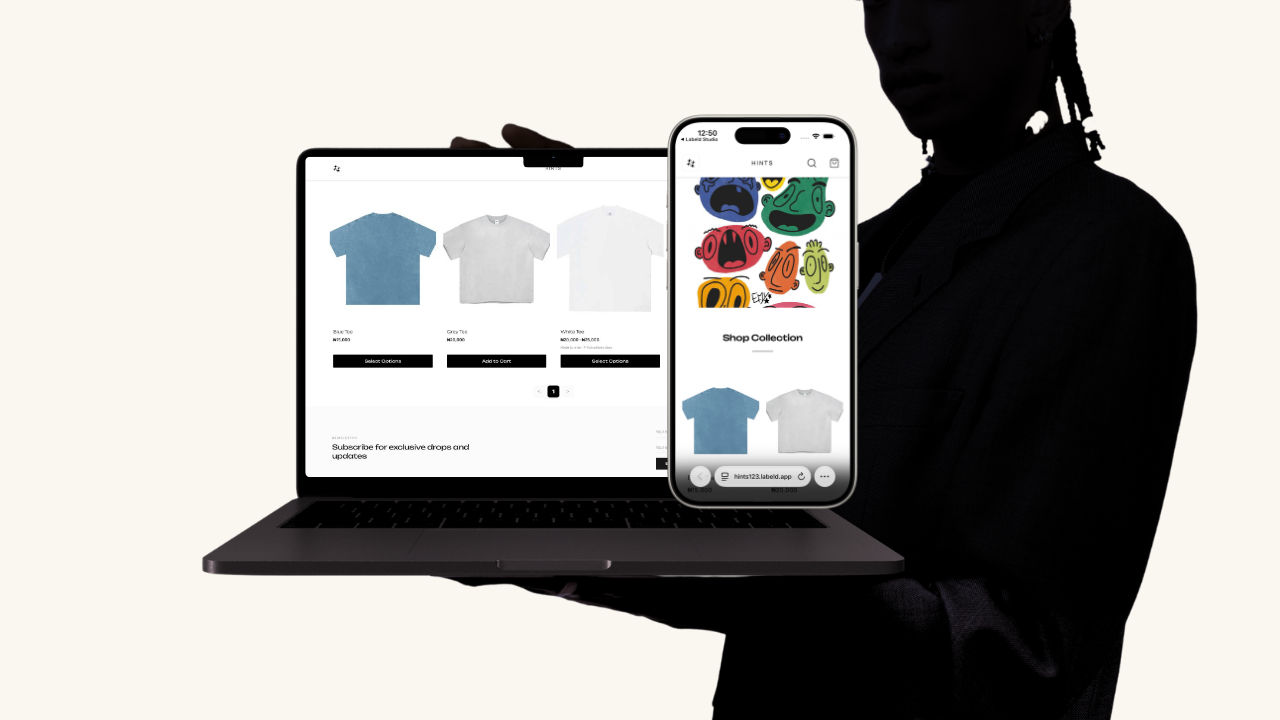
1. Pick a lane
"Clothes for everyone" reaches no one. Decide who you're dressing and what you're dressing them in before you spend a naira. Who buys it: students, young professionals, brides, the gym crowd, the alté kids.
What is it: streetwear, Ankara fusion, minimalist basics, plus-size, occasion wear. Your answer sets your fabric, your price, and your grid. Orange Culture, Maki Oh, and Emmy Kasbit broke out with a point of view you could spot before the logo. Copy that discipline, not the whole country's taste.
2. Start with a capsule, not a warehouse
Waiting until you can afford to do everything is how brands die before they launch. Drop five to ten pieces around one idea. That tells you whether people actually pay, not just whether they comment "🔥 where to cop" and vanish. Roll the first run's money into the second. Nearly every brand you rate started this small.
3. Sort your fabric and your tailor
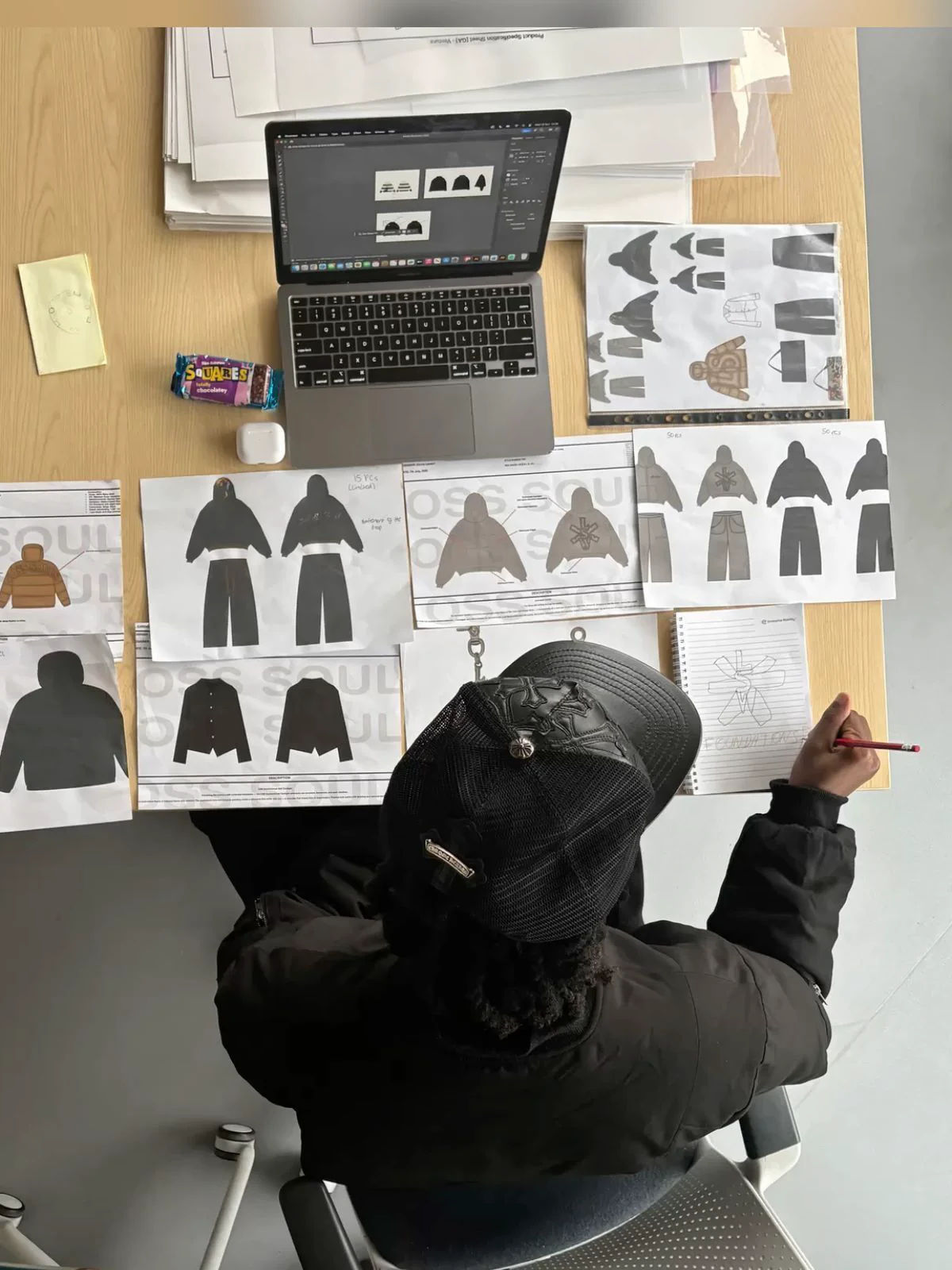
Quality lives or dies here. Buy fabric where the brands buy it: Balogun Market, Lagos for Ankara, lace and general fabric; Ariaria Market, Aba for leather and knitwear; Wuse Market, Abuja for premium. Then find a tailor who hits your spec every time. Bring sketches, sample first, check the finishing, and only scale what comes back clean.
4. Make it legal (it's cheap now)
Under CAMA, trading under any name that isn't your government name means registering it with the Corporate Affairs Commission. Skip it and you can't open a corporate account or land serious stockists. A business name registers online, no lawyer, for roughly ₦11,000 to ₦21,000, and the certificate lands in a few working days. As of 2026 your CAC number doubles as your Tax ID. Register the business name now; upgrade to a limited company when you raise money or add partners.
5. Name it and give it a face
Your name, logo, and visuals are what people remember when they forget your name. Keep the logo clean enough to sit on a woven label, a mailer, and a profile picture. Lock a palette, a font, and a photo style, then use them everywhere. Someone scrolling should know a post is yours before they read the handle.
6. Price so you survive
Underpricing feels friendly and slowly starves you. Start here and adjust:
Selling price = (materials + labour + overhead) × 3
The times-three covers samples, waste, returns, ads, fees, and slow months. Price to your position, too. Premium clothes at market-stall prices make people assume something's wrong. Pick your number and hold it.
7. Sell online, on a storefront you own
You don't need a shop. You need to be seen and to get paid.
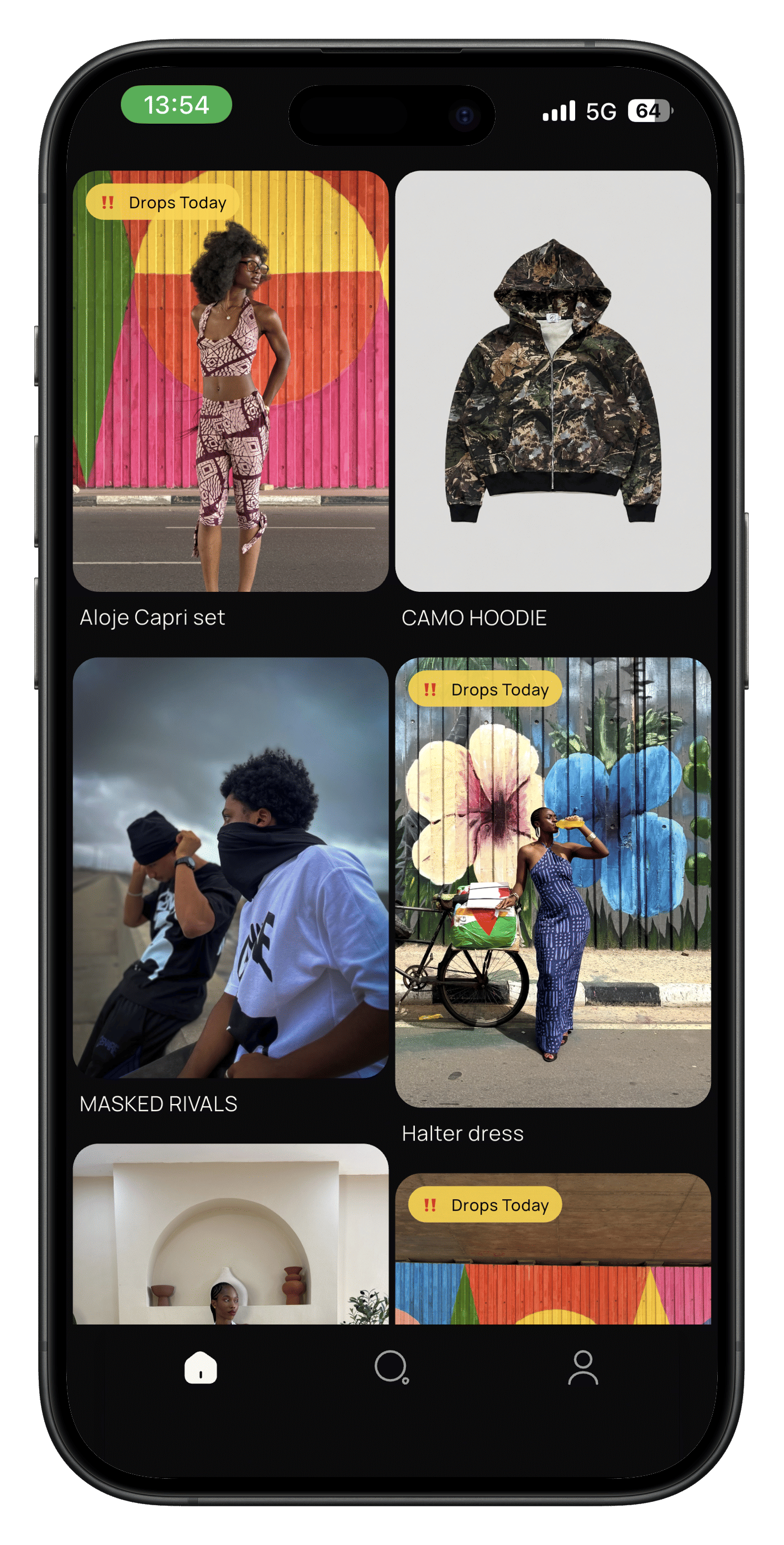
For visibility, Instagram is still the shopfront, backed by a WhatsApp Business catalogue, since plenty of sales close in the DMs. Then let fans actually find you on the Labeld app, where people browse independent brands and drops on purpose instead of hoping an algorithm cooperates.
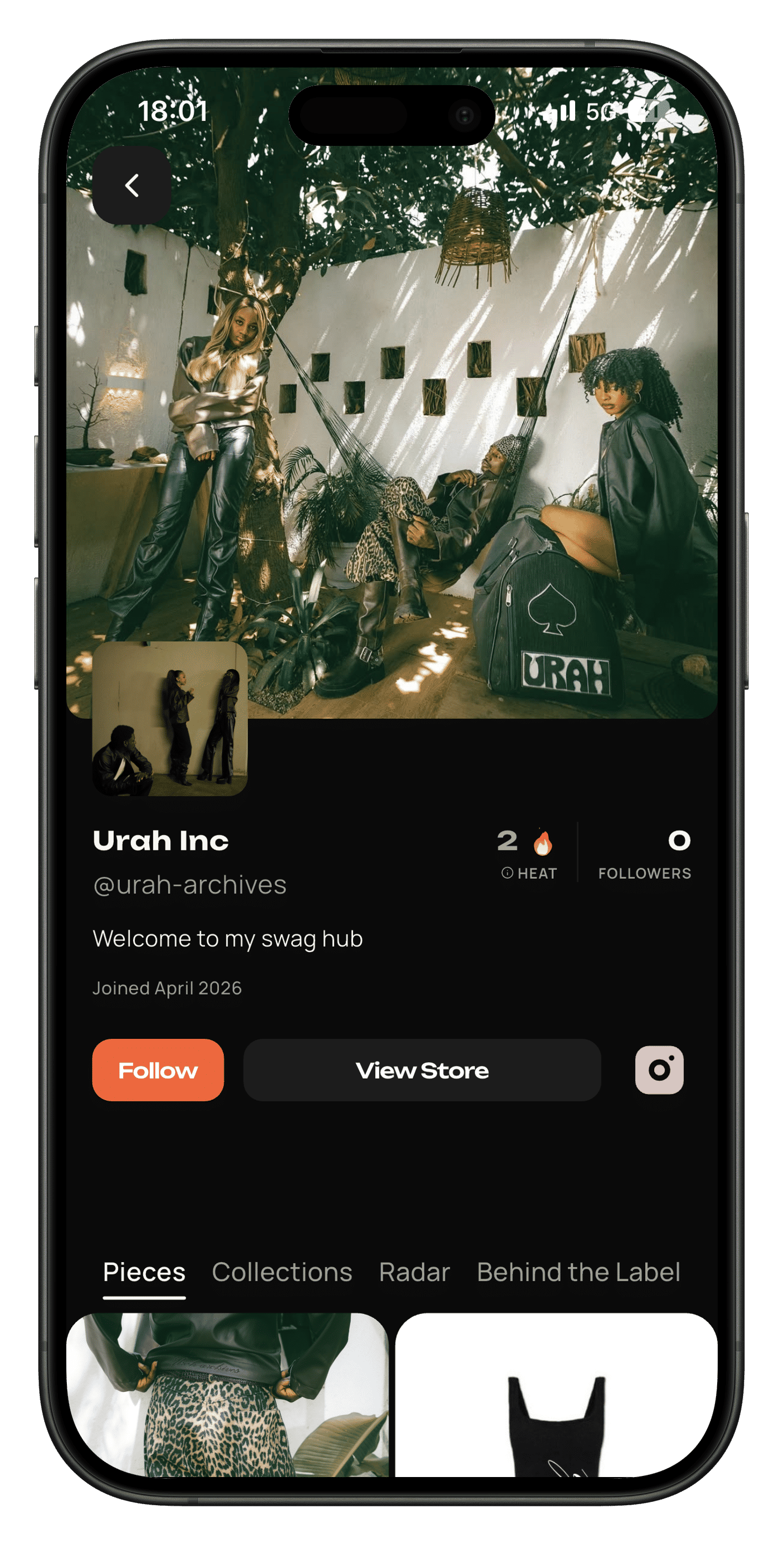
For getting paid, "link in bio" is where money leaks. A payment link here, a Google Form there, a "DM to order" somewhere else, and the customer falls off before the transfer. A real storefront closes that gap. Paystack, the default for Nigerian businesses, takes 1.5% + ₦100 on local cards (₦100 waived under ₦2,500, capped at ₦2,000, no monthly fee); Flutterwave is 1.4%.
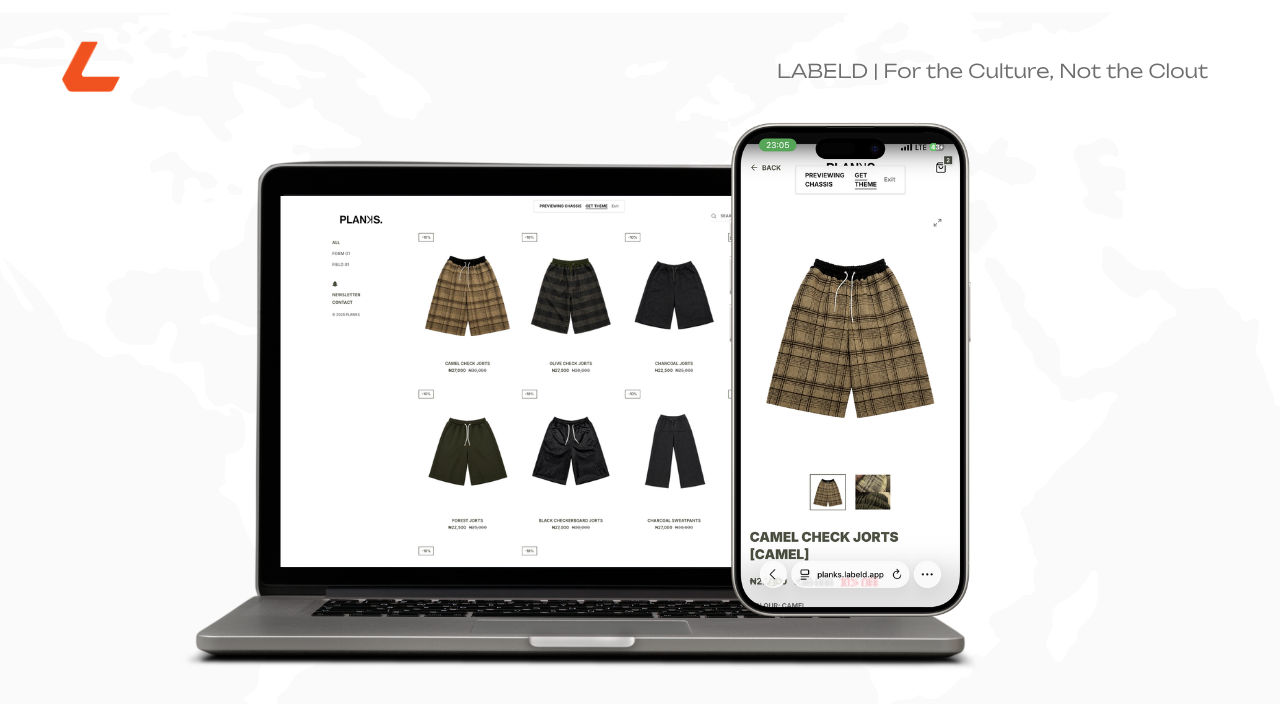
This is exactly what Labeld Studio was built for: your own storefront link, Paystack checkout built in, and orders in one dashboard instead of five apps. The free plan lists up to 12 products at a 5% fee, nothing upfront and no card required. Pro is ₦5,000 a month with zero fees, unlimited products, a custom domain, and analytics. You can be live today: here is what your first week looks like.
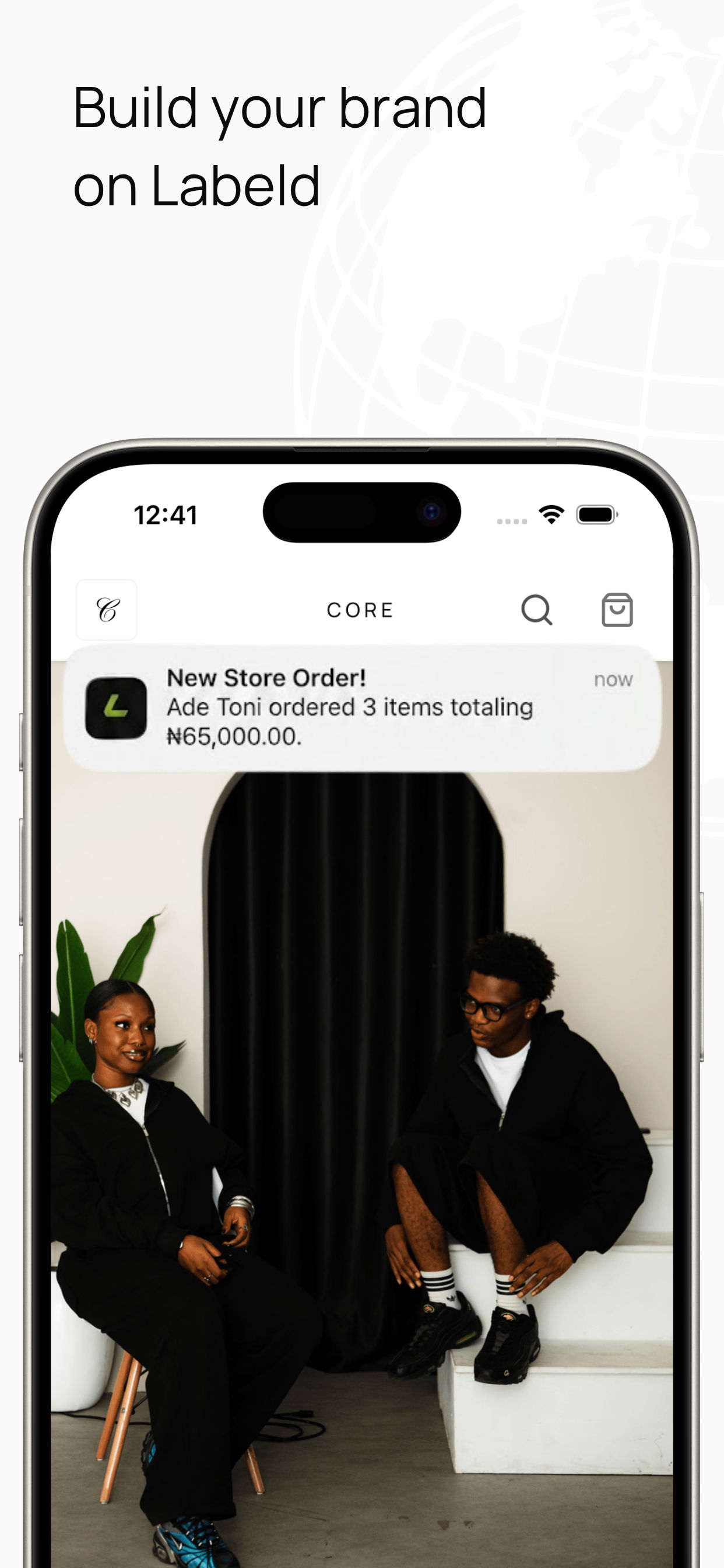
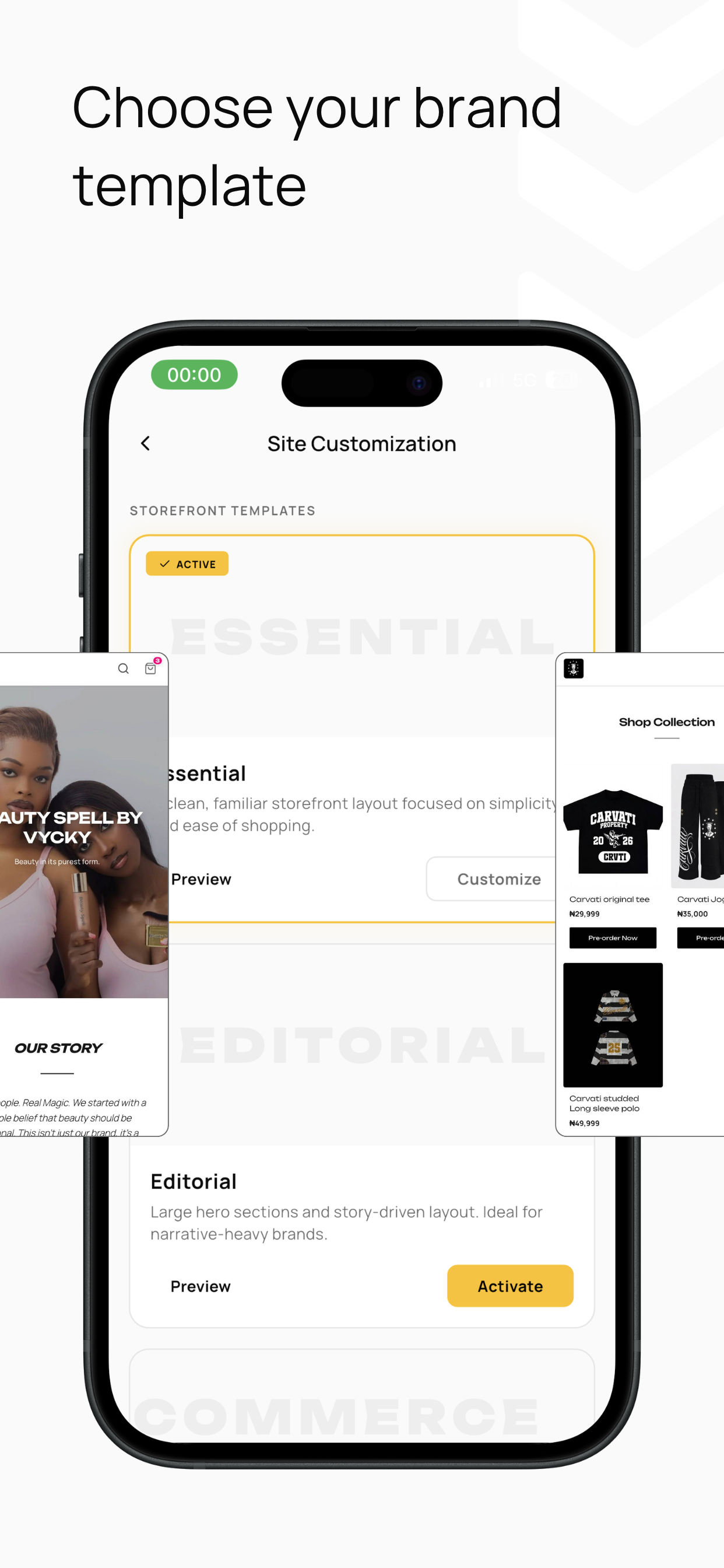
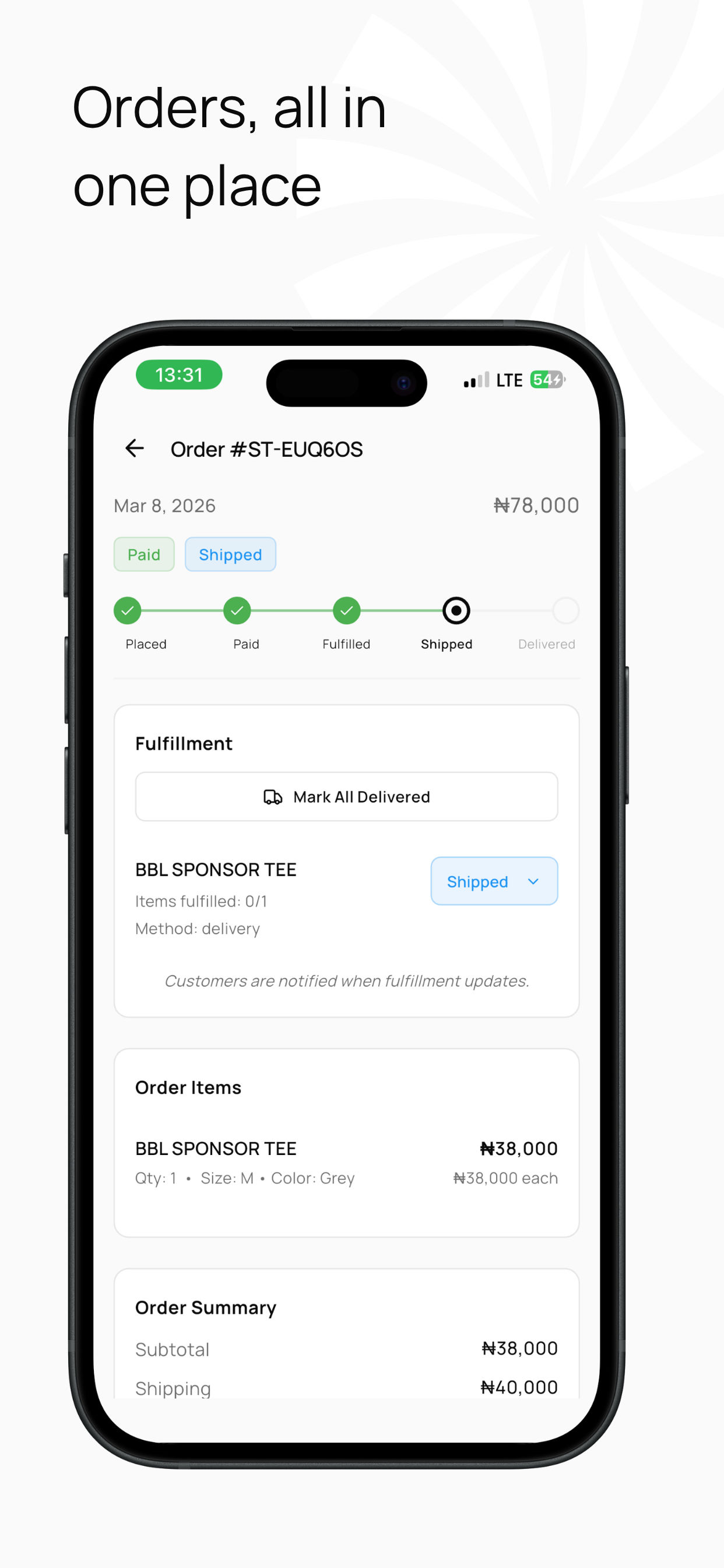
8. Get seen, and get into rooms
A brand nobody sees is a hobby. Send pieces to micro-influencers with 10,000 to 100,000 followers. They convert better and cost far less than one celebrity, because their audience actually trusts them. Then take it offline. A pop-up or showcase turns followers into a community that shows up and buys. You can ticket and run one through Labeld Events without stitching three tools together.
What can you actually make?
A well-run brand clears ₦300,000 to ₦2,000,000 a month within its first two years, and the top labels make far more. It comes down to three things you control: your price, your production, and how consistently you market. One caveat: logistics are still rough, with on-time e-commerce delivery sitting around 35%, so lock in a reliable dispatch process early.
Start before you feel ready
Nobody you respect waited for perfect. They picked a lane, made ten good pieces, registered the name, priced with a spine, and put it somewhere people could buy. Then they did it again the next month. The market is here and the tools are cheaper than they have ever been. The only missing piece is the first drop, and that one is on you.
Build it for the culture, not the clout. 🖤🧡
Ready to own your brand instead of renting it? Start free on Labeld Studio. Or see how the whole Labeld ecosystem fits together.
Was this article helpful?
The newsletter for
brand builders.
Guides, drops, and dispatches from Labeld — in your inbox, no noise.
Start your brand
for the culture.
Launch drops, manage events, and run your storefront from one place with Labeld Studio.
Get started